
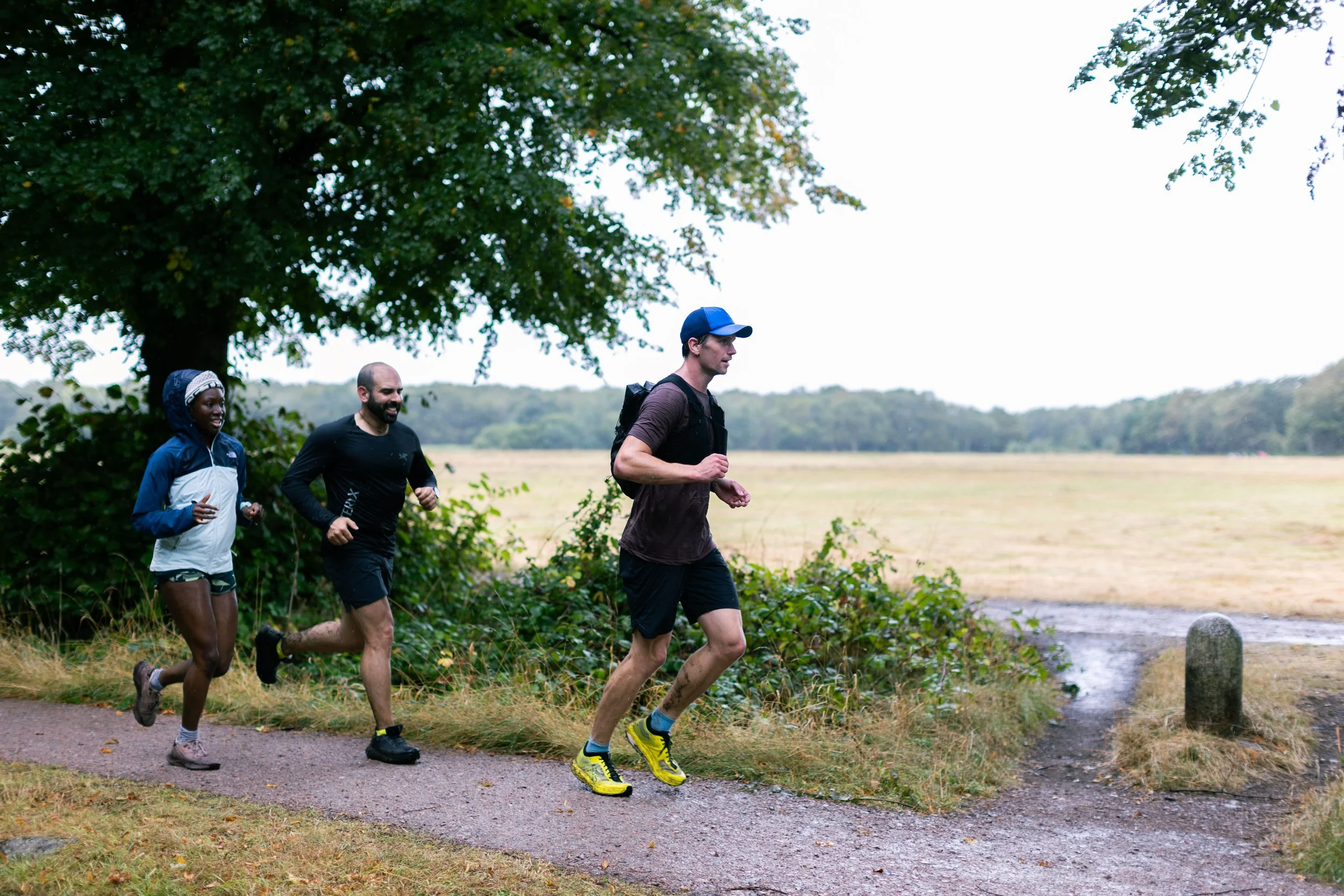
Lactate threshold is considered one of the most important predictors of endurance performance. Whether you are training for a 10km, marathon, Hyrox, or ultra marathon, improving your lactate threshold can help you sustain a faster pace for longer before fatigue rapidly builds up.
Threshold training focuses on improving the intensity you can maintain while still predominantly using the aerobic energy system. In simple terms, it helps you become more efficient at sustaining hard efforts without blowing up.
What Is Lactate Threshold?
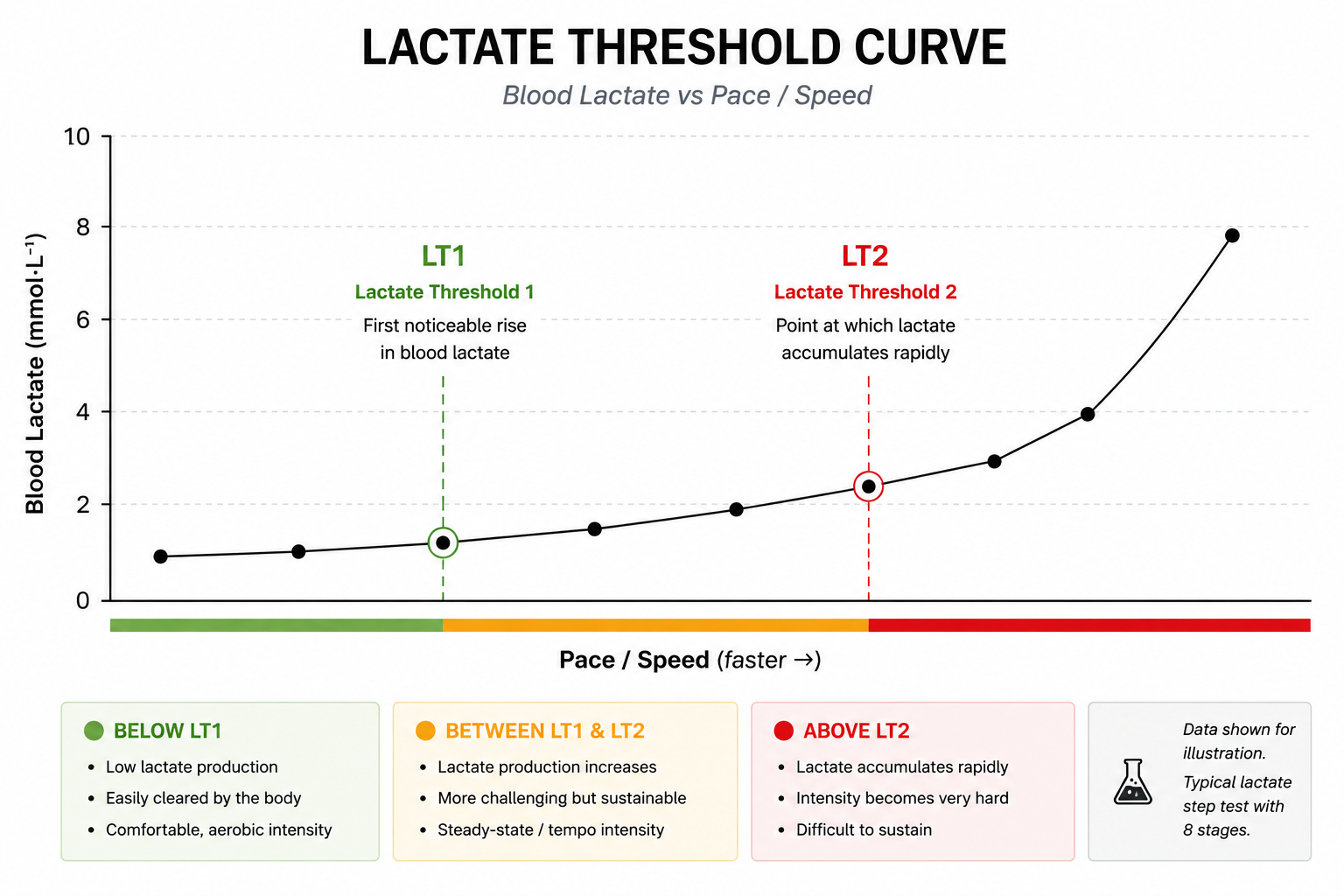
Even at rest, your body is constantly producing small amounts of lactate while generating energy. During easy aerobic exercise, lactate production and clearance remain relatively balanced.
However, as exercise intensity increases, your body starts relying more heavily on anaerobic energy pathways, causing lactate production to rise.
The first noticeable rise in blood lactate is known as Lactate Threshold 1 (LT1). This is often considered the transition from easy aerobic work into moderate intensity exercise.
As intensity continues to increase, your body gradually struggles to clear lactate at the same rate it is being produced. Eventually lactate begins accumulating rapidly in the blood. This point is known as Lactate Threshold 2 (LT2), often referred to as threshold pace or threshold intensity.
Why Is Lactate Threshold Important?
Research has shown that lactate threshold is one of the strongest predictors of endurance performance. A higher lactate threshold means you are able to sustain a higher percentage of your VO₂ max while still predominantly using the aerobic energy system.
Elite endurance athletes are able to maintain exceptionally high percentages of their VO₂ max for prolonged periods while remaining predominantly aerobic. This is one of the reasons why threshold training is so effective for endurance runners.
The intensity between LT1 and LT2 is often referred to as tempo training, steady-state training, or Zone 3 training depending on the training zone model being used.
At LT2 intensity, most athletes can typically sustain the pace for around 30–60 minutes. For many runners, this roughly corresponds to somewhere between 10km and half marathon pace.
What Does Threshold Training Feel Like?
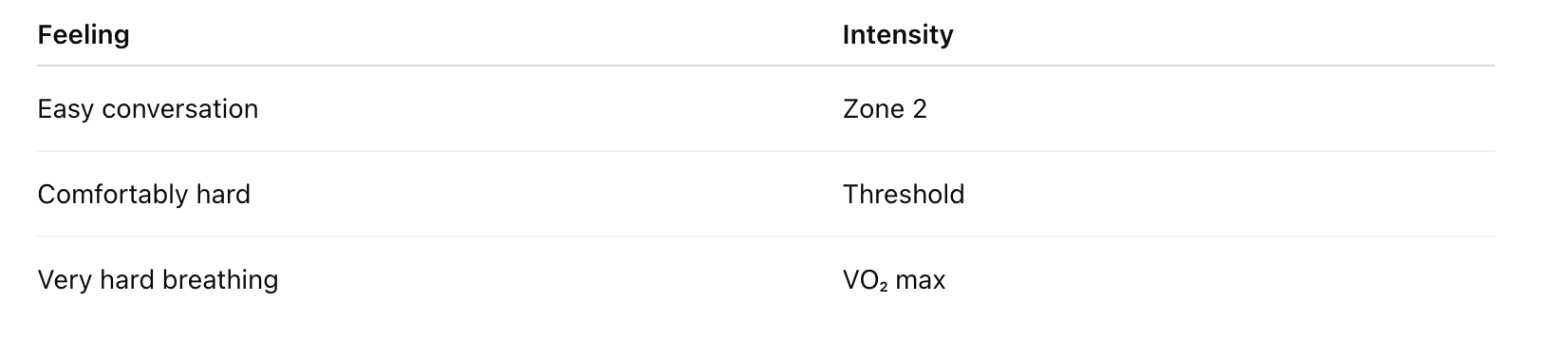
Threshold training should feel controlled rather than maximal. It is often described as “comfortably hard”.
Typical characteristics include:
hard but sustainable effort
controlled breathing
difficult to speak in full sentences
sustainable for roughly 30–60 minutes
Typical markers:
RPE 7–8/10
roughly 10km to half marathon pace
approximately 85–92% max heart rate
Example Threshold Sessions
Examples of threshold sessions include:
20-minute continuous tempo run
3 × 10 minutes at threshold
4 × 8 minutes at threshold
Cruise intervals
Uphill threshold repetitions
Threshold training is designed to improve your ability to sustain faster aerobic speeds for longer periods of time. Training around LT2 helps stimulate aerobic adaptations such as:
improved capillary density
increased mitochondrial function
improved cardiac efficiency
greater lactate clearance capacity
Common Mistakes With Threshold Training
One of the most common mistakes runners make is running threshold sessions too hard. Threshold training is designed to improve sustainable aerobic performance, not become an all-out effort.
Another mistake is doing too much threshold work without enough easy aerobic training. Threshold sessions are highly effective, but they should complement a strong aerobic base rather than replace it.
Many runners also rely too heavily on generic pace calculators without considering factors such as fatigue, terrain, heat, or recovery status.
How To Test Lactate Threshold
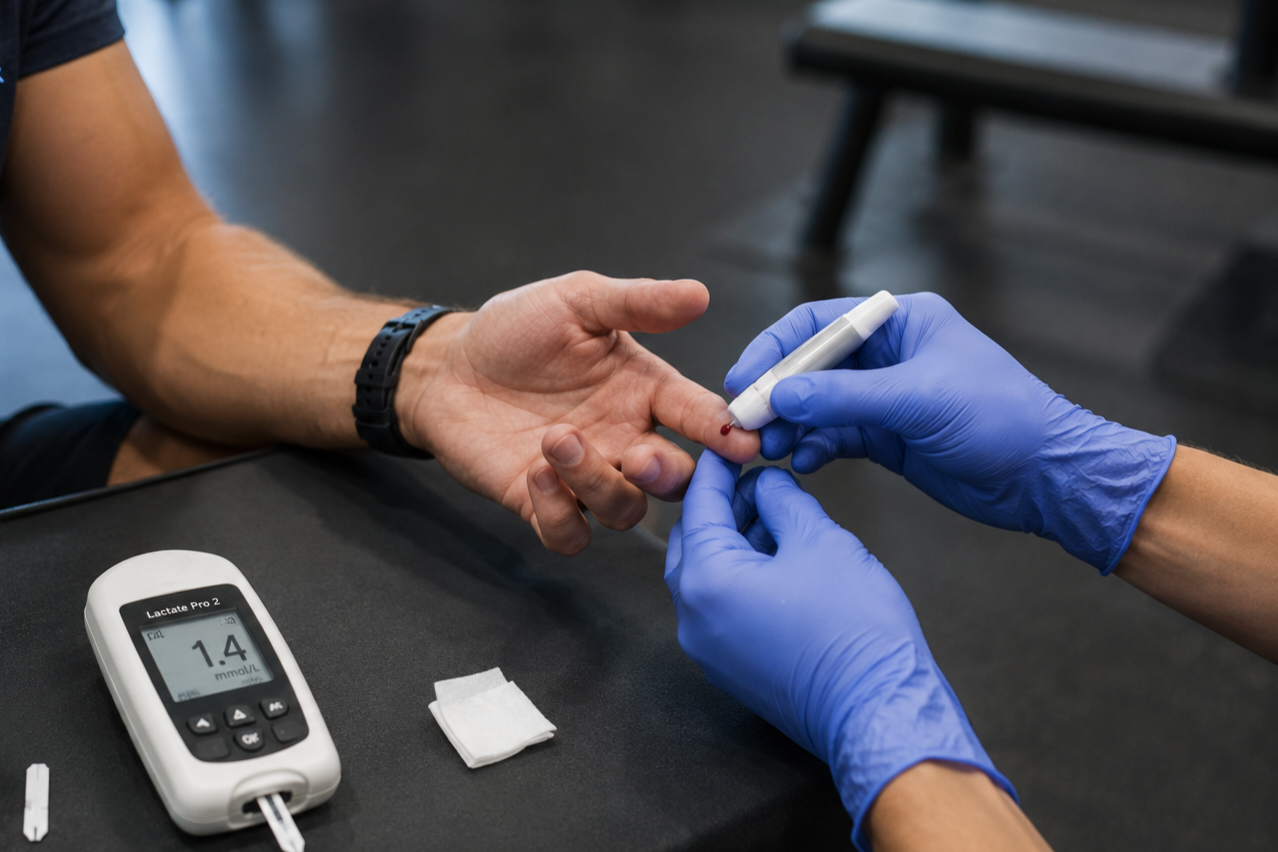
The most accurate way to test lactate threshold is through a laboratory-based lactate step test. This involves increasing exercise intensity in stages while measuring blood lactate levels throughout the test.
This allows coaches to identify LT1 and LT2 along with the associated heart rates, paces, or power outputs.
Thresholds can also be estimated using field testing methods, although these are generally less accurate than laboratory testing. One simple field test is to measure the maximum distance you can sustain in one hour, which can provide a good estimate of LT2 pace.
The Future of Threshold Training
Traditionally, lactate testing has been limited to laboratory environments using finger-prick blood testing. However, new wearable technology may dramatically change endurance training in the future.
Several companies are currently developing continuous lactate monitoring systems, similar to continuous glucose monitors. These devices aim to provide real-time lactate data during exercise, potentially allowing athletes and coaches to monitor metabolic intensity continuously throughout training.
If this technology becomes reliable and widely accessible, it could significantly improve pacing, training accuracy, recovery monitoring, and individualised endurance programming.
Conclusion
Lactate threshold is one of the key factors that determines endurance performance. Improving your threshold allows you to sustain faster speeds aerobically for longer before fatigue rapidly increases.
For endurance athletes, threshold training can be one of the most effective ways to improve running performance, race pacing, and overall aerobic efficiency.
Understanding how to train at the correct intensity — rather than simply training harder — is often the key to long-term endurance development.
Frequently Asked Questions
What is threshold training?
Threshold training involves exercising around your lactate threshold in order to improve your ability to sustain faster aerobic speeds for longer periods.
What pace is threshold running?
For many runners, threshold pace is approximately between 10km and half marathon pace, although this varies between individuals.
How hard should threshold training feel?
Threshold training should feel “comfortably hard” rather than maximal. You should be breathing hard but still in control.
Is threshold training the same as tempo training?
Tempo training is often used interchangeably with threshold training, although some coaching models define them slightly differently.
How often should I do threshold training?
Most runners typically perform 1–2 threshold sessions per week depending on training volume, recovery, and race goals.
Coaching & Performance Testing
At Ultra Peak Fitness, I provide endurance coaching, running performance programming, and lactate threshold testing designed to help runners improve performance efficiently and sustainably.
Whether you are training for a 10km, marathon, Hyrox, ultra marathon, or mountain event, understanding your threshold can help guide smarter and more effective training.
Explore more endurance training articles and coaching resources at Ultra Peak Fitness