From Zero to PDG: My Journey Into Ski Mountaineering
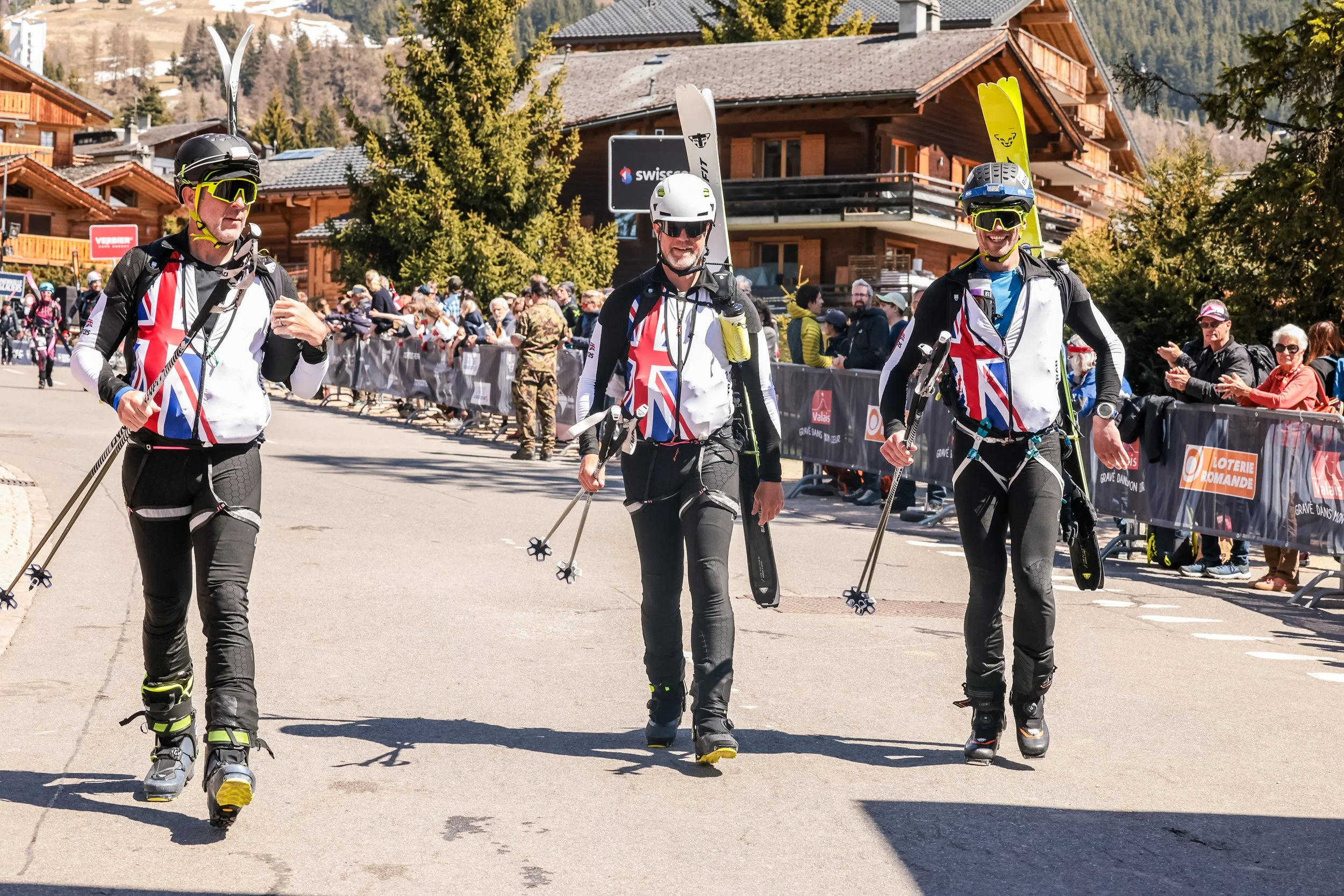
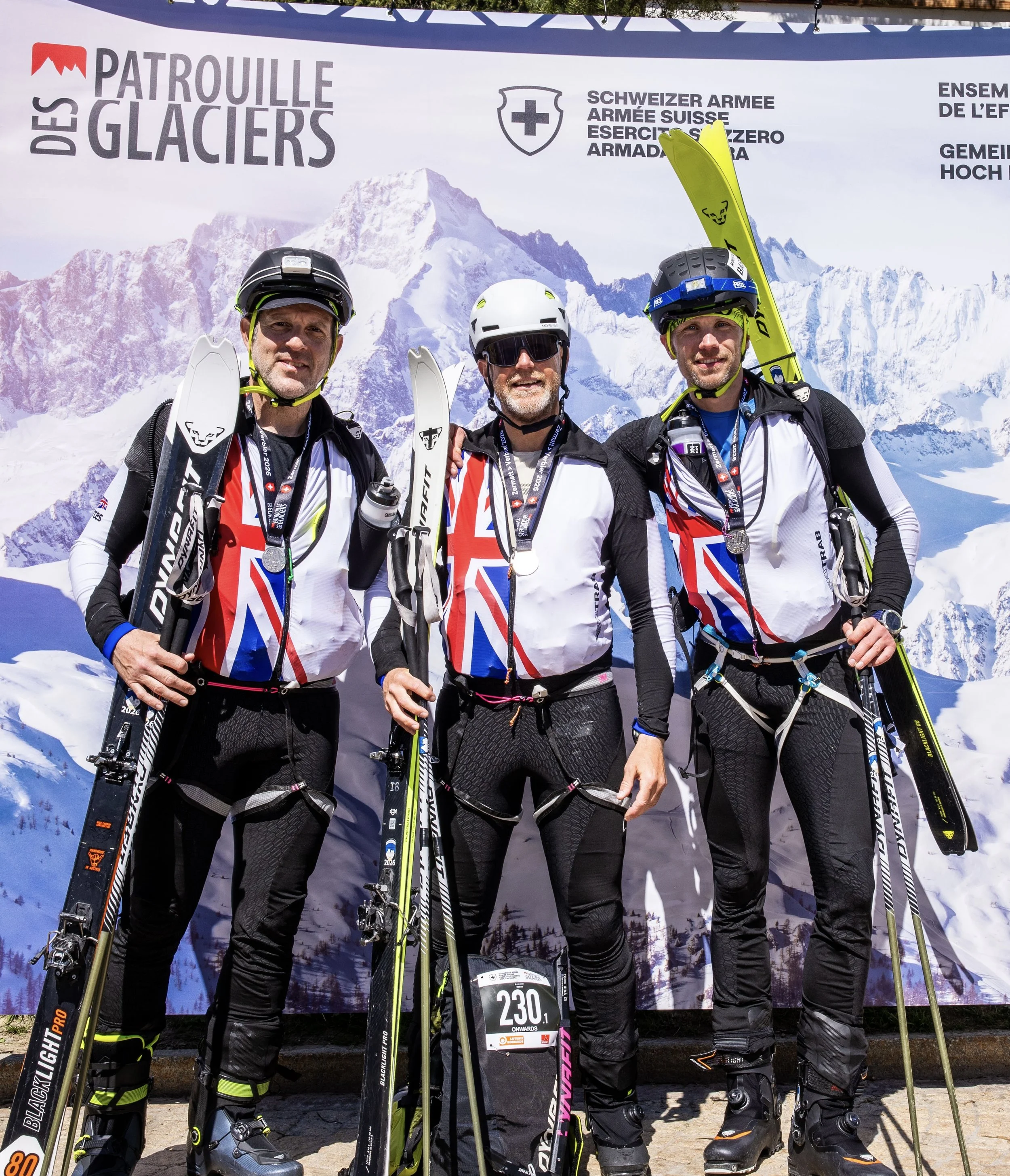
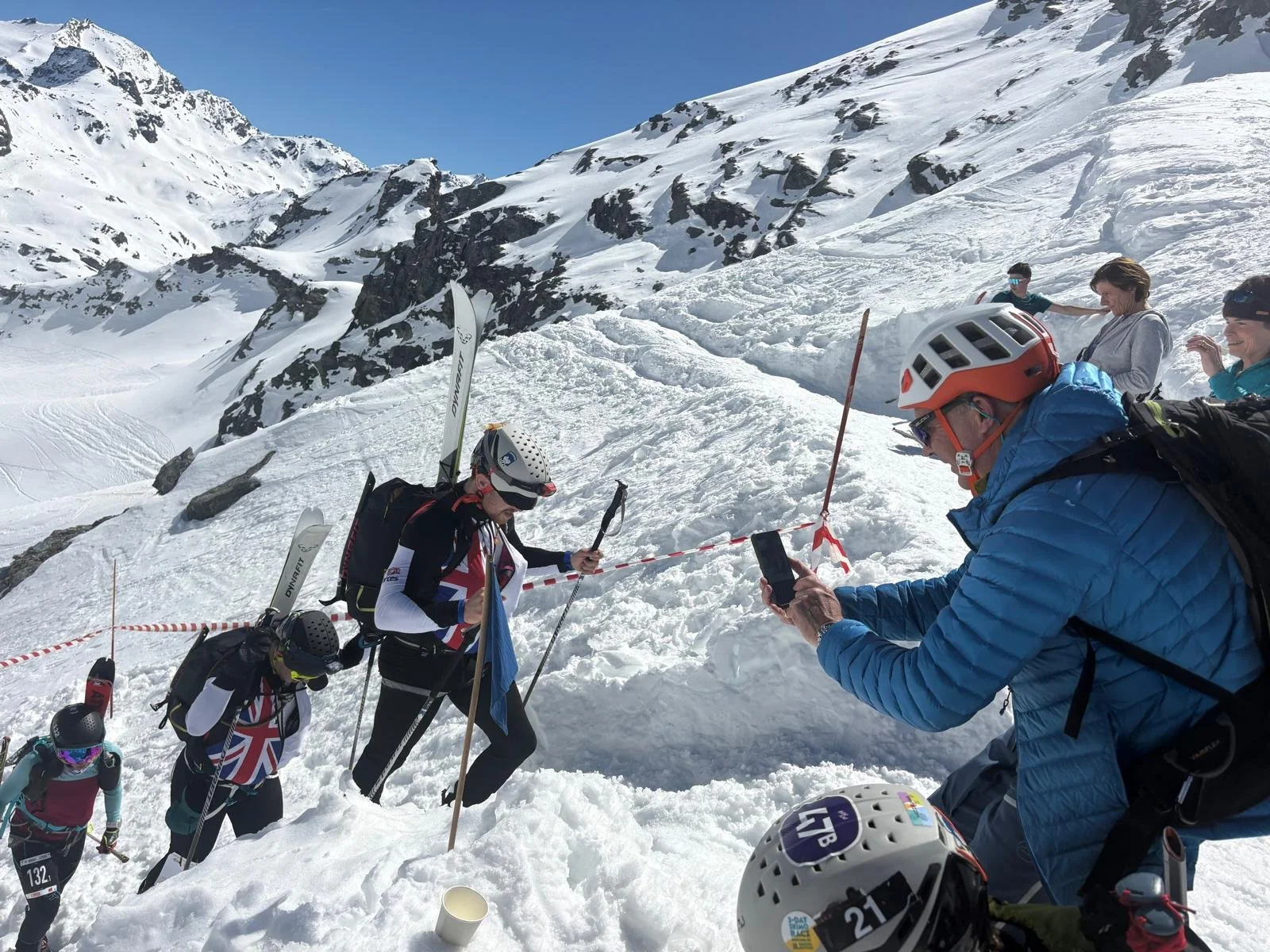
In April 2026, I completed the Patrouille des Glaciers (PDG) — one of the world’s most demanding ski mountaineering races.
For many ski mountaineers, the PDG represents years of alpine experience, technical skiing ability, and endurance training. Yet less than 18 months before standing on the start line, I had barely skied in over 25 years.
This was my journey from complete novice to completing one of the toughest endurance ski races in the world.
What is the Patrouille des Glaciers (PDG)?
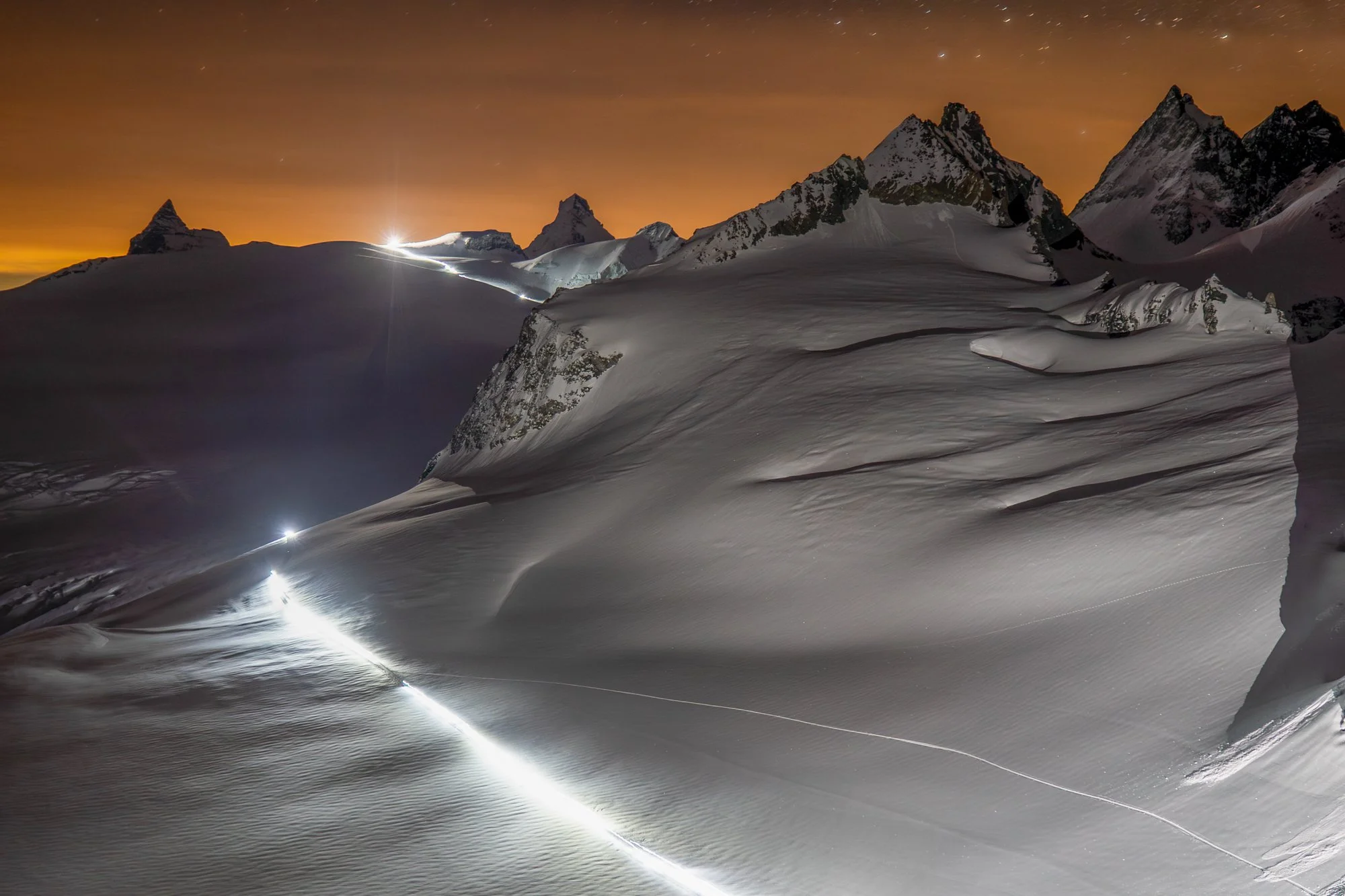
The Patrouille des Glaciers is a legendary ski mountaineering race held in Switzerland between Zermatt and Verbier. Teams move across glaciers, steep alpine terrain, and high-altitude mountain passes while remaining roped together for safety.
The event combines:
Ski touring
Uphill endurance
Technical downhill skiing
Glacier travel
Extreme fatigue management
High-altitude performance
It is not simply a ski race. It is a test of resilience, teamwork, decision-making, and endurance under pressure.
For our team, the course covered approximately:
57.5 km distance
4,386 m ascent
High-altitude glacier terrain
Night movement while roped together
At the start of this journey, I genuinely did not know if I would ever be capable of completing it.
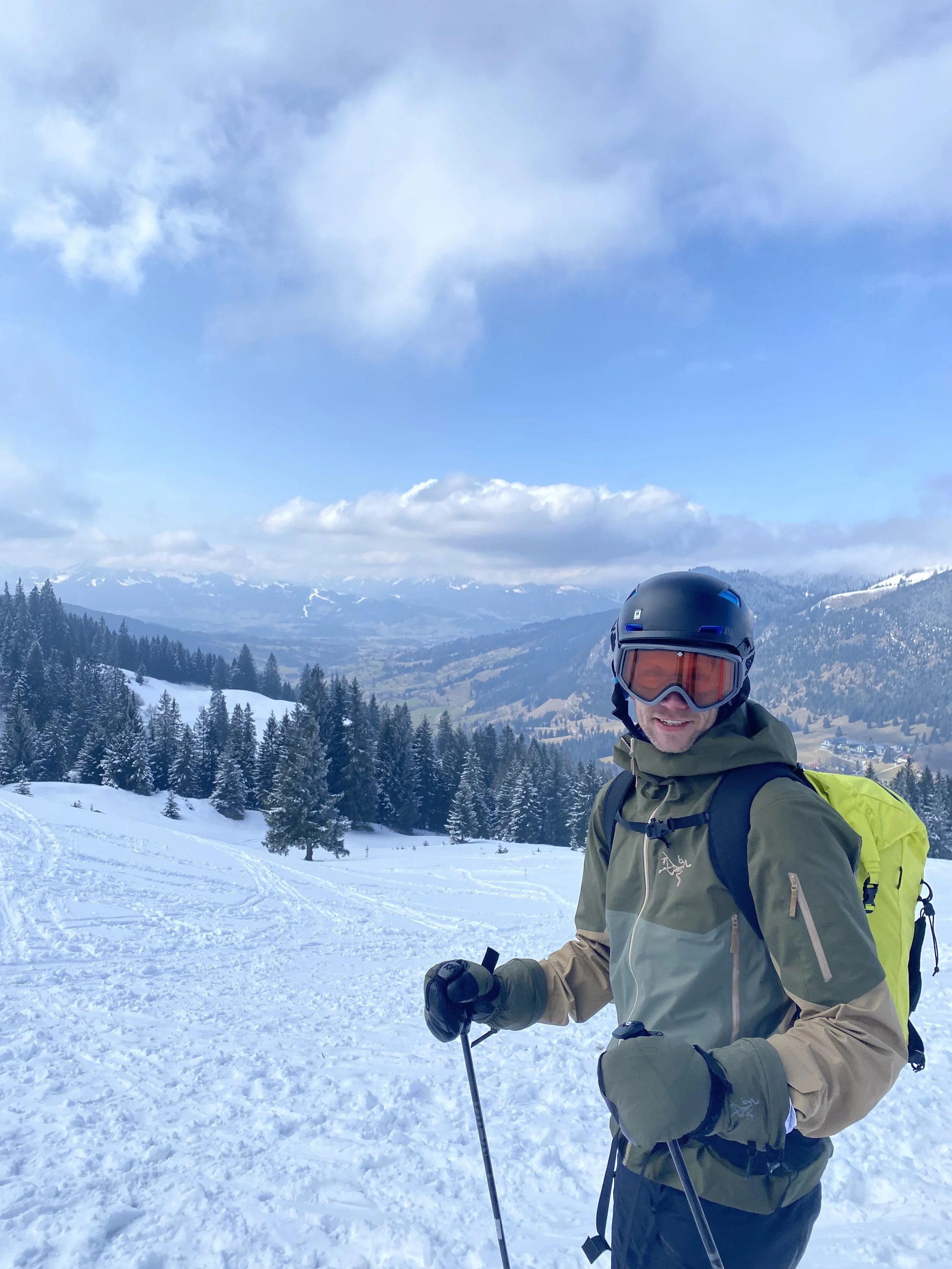
Returning to Skiing After 25 Years
Having returned to skiing after approximately 25 years away from the sport, the progression into ski mountaineering was steep from the beginning.
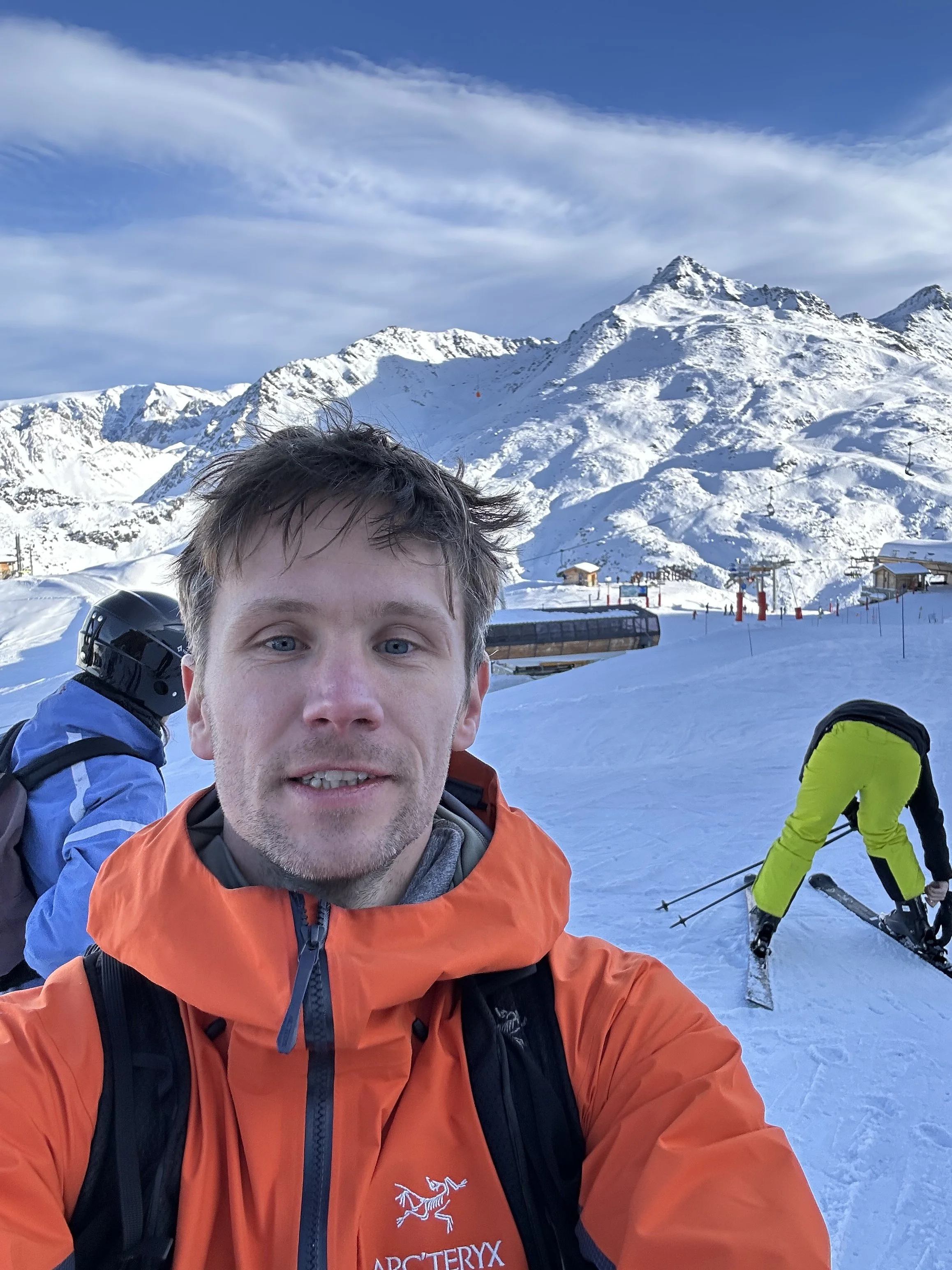
My first trip back to the mountains was to Val Thorens in December 2024. At that stage, the goal was simply to rebuild some basic skiing ability and regain confidence on skis. The second trip a few months later, I was also introduced to skinning uphill and off-piste skiing for the first time.
Although physically demanding, this was really only the beginning.
Four months before the PDG, I then completed my first proper ski touring experience. The jump in difficulty was significant. Moving through technical mountain terrain while managing skins, transitions, changing snow conditions, and more exposed descents felt completely different from normal skiing.
The experience was extremely challenging.
I was falling regularly, struggling technically, and constantly operating outside my comfort zone. At that stage, the idea of completing the PDG still felt a very long way away.
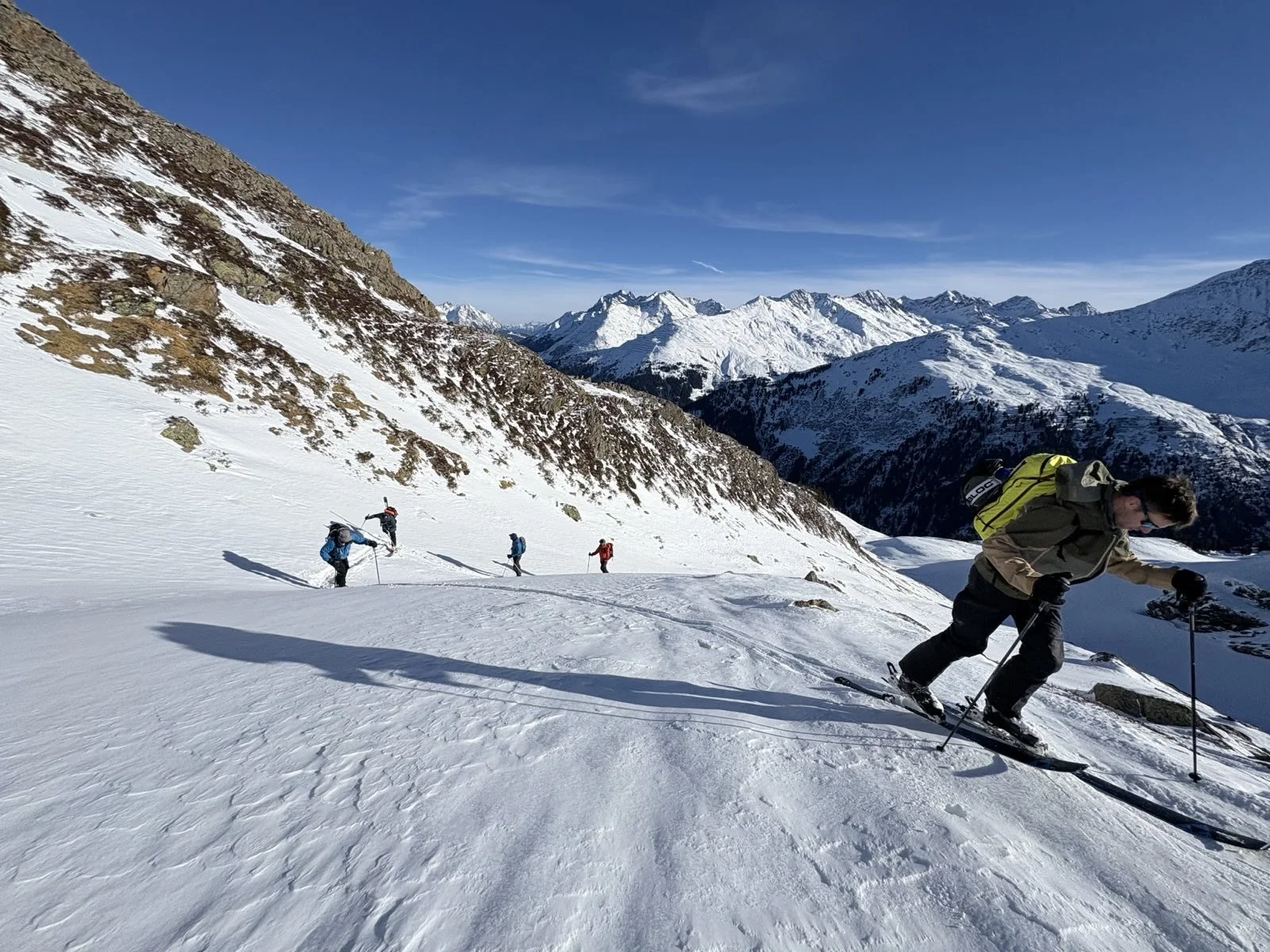
The Steep Learning Curve
Following this, I attended my first Skimo camp, where I trained alongside far more experienced skiers and ski mountaineers.
Compared to many in the group, I was one of the least technically capable skiers there.
The camp introduced longer and more demanding days in the mountains involving:
Steep climbs
Technical descents
Rocky terrain
Tree skiing
Long ski tours
Skiing under fatigue
When people asked how I was finding it, my answer was often:
“Surviving.”
At times, it genuinely felt overwhelming. Every day exposed another weakness in my skiing, movement efficiency, or mountain experience.
However, that was also where the biggest improvements happened.
Through repetition, persistence, and simply continuing to put myself into difficult situations, my confidence slowly began to improve. I became calmer under pressure, more efficient during transitions, and more capable in difficult terrain.
The process was uncomfortable, but incredibly rewarding.
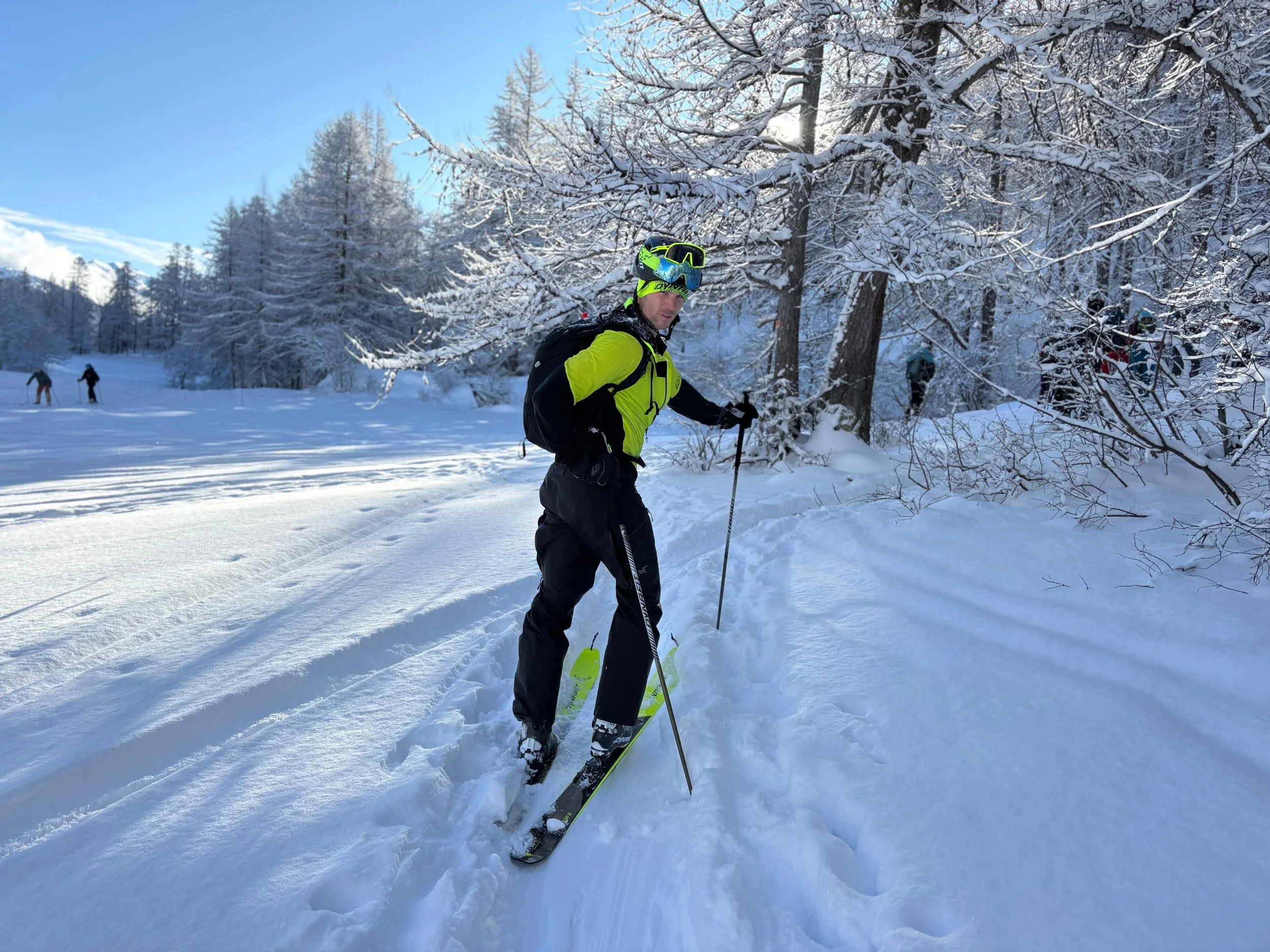
Final Preparation Before the PDG
Shortly before the PDG, I attended another Skimo camp focused on refining technical skills and supporting acclimatisation before the race.
This phase involved:
Longer ski tours
Glacier travel
Skiing while roped together
Managing fatigue at altitude
Operating in more serious mountain terrain
These experiences pushed me even further outside my comfort zone, but they also built a greater sense of confidence and resilience.
Even close to the race, I still questioned whether I would be able to complete the PDG.
But in many ways, that uncertainty was exactly why I wanted to do it.
There is something uniquely rewarding about pursuing a challenge where success is not guaranteed.
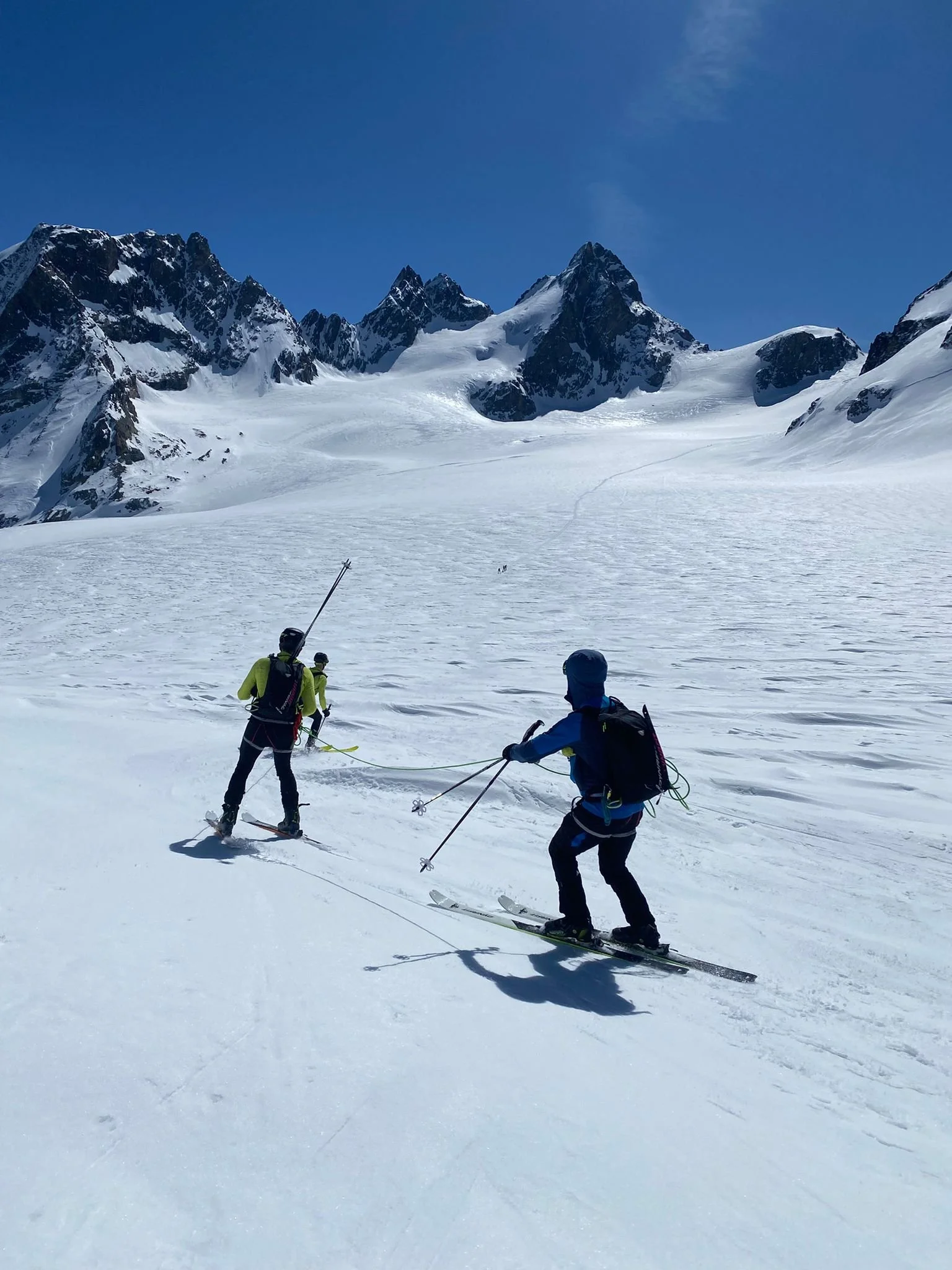
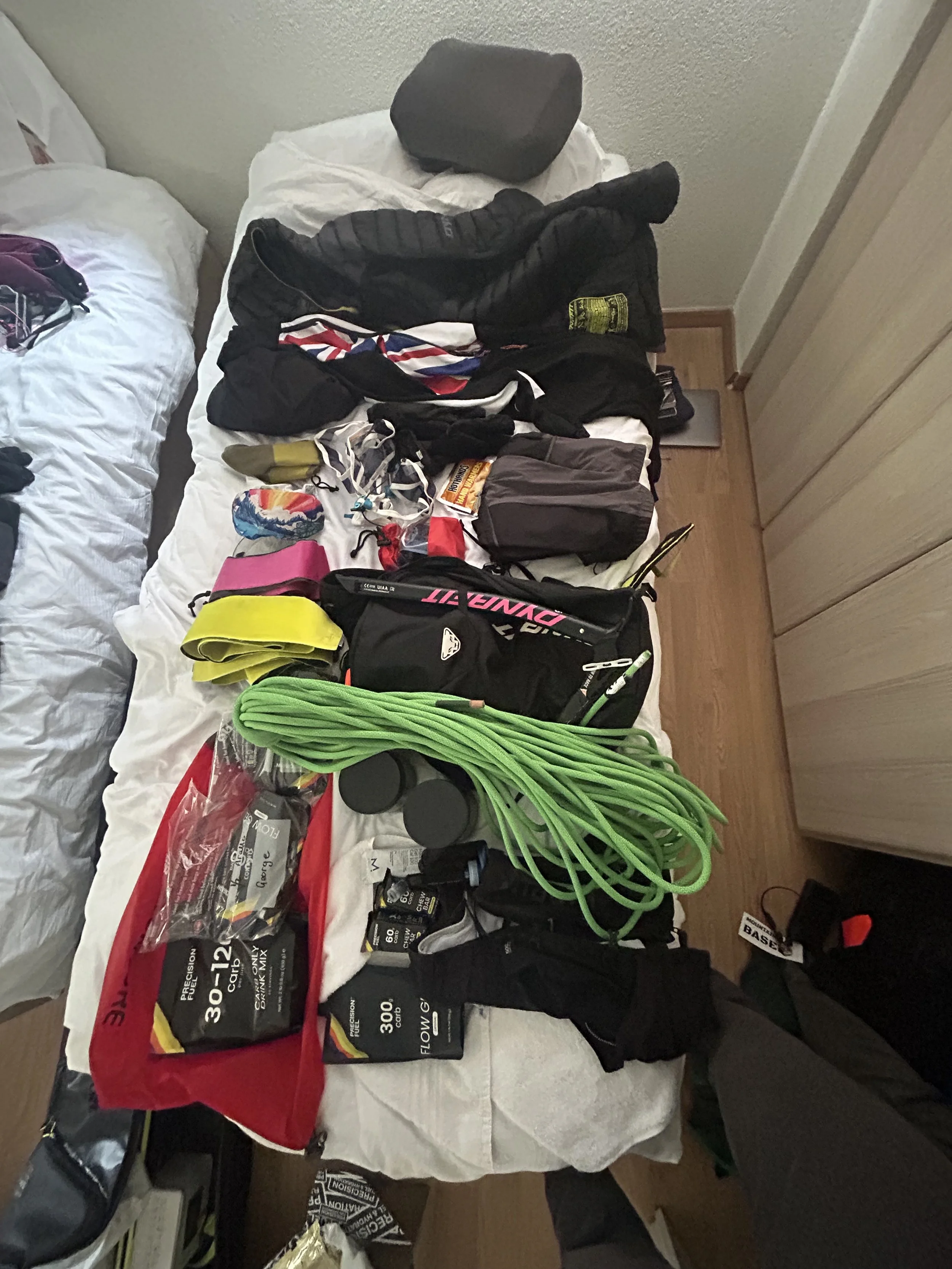
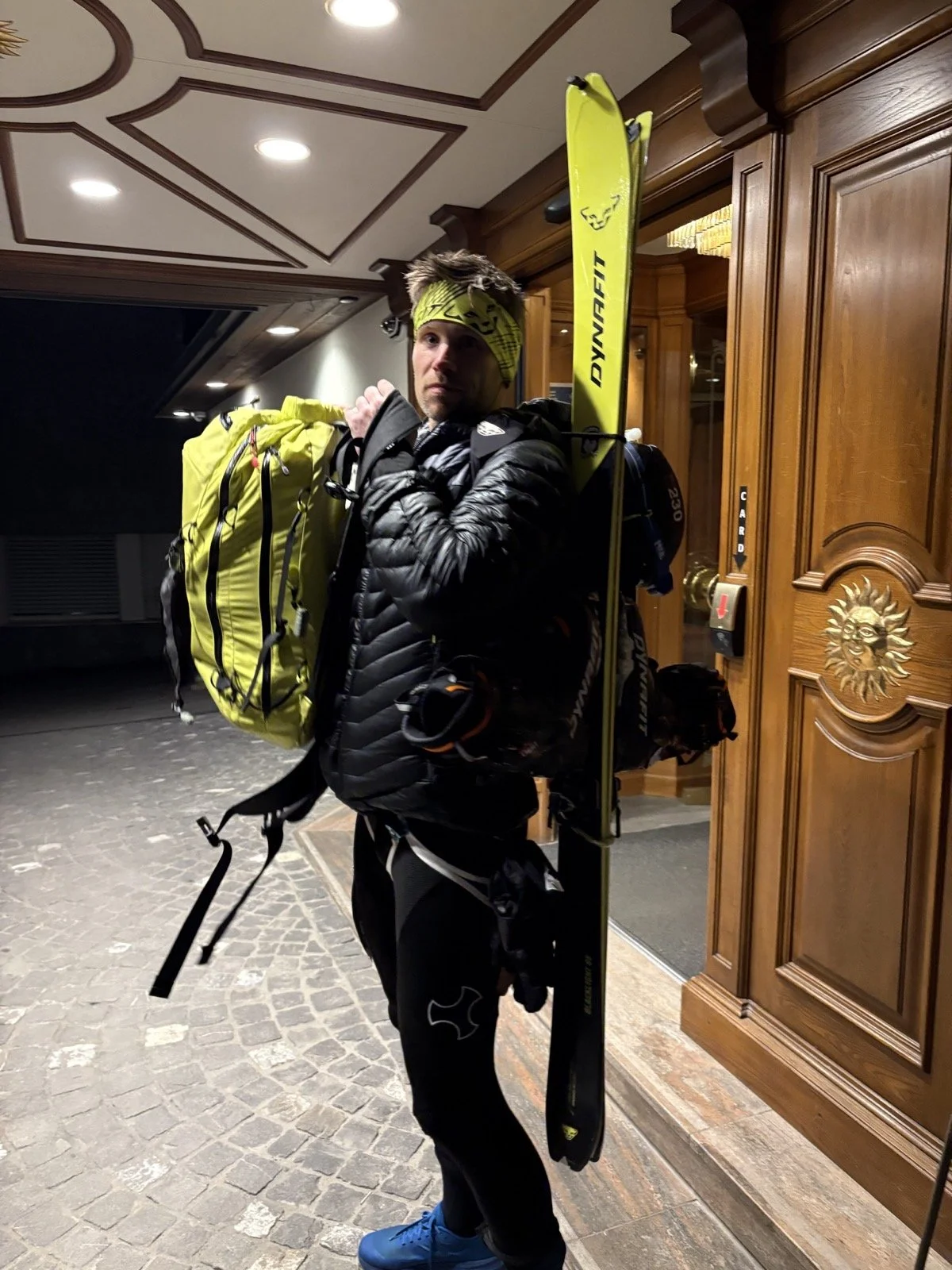
Race Day: The Reality of the PDG
The event itself was every bit as difficult as expected.
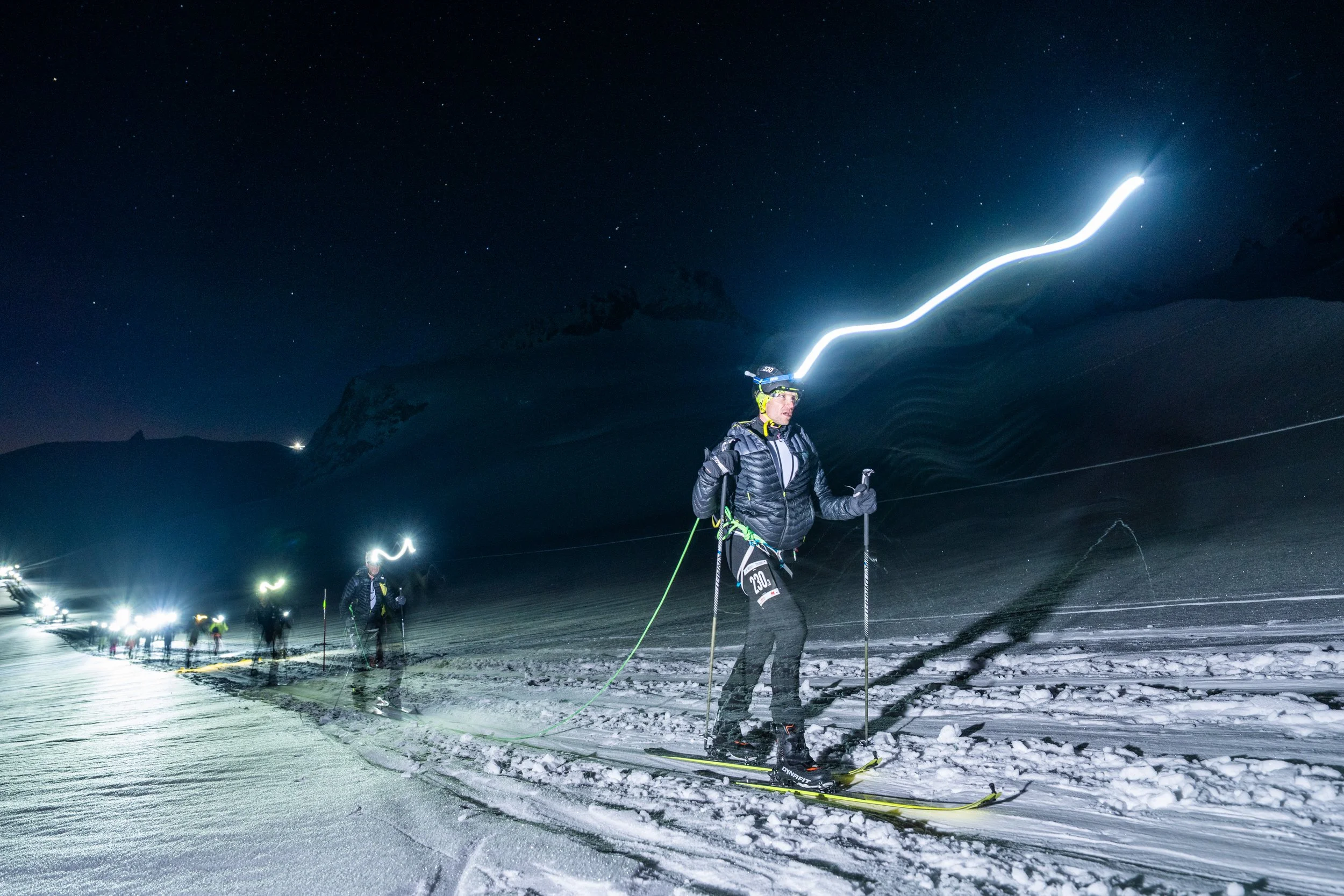
Skiing roped together across glaciers in darkness while fatigued required constant concentration, communication, and trust. The technical nature of the terrain meant that small mistakes could quickly become significant problems.
What made the experience manageable was the strength of the team.
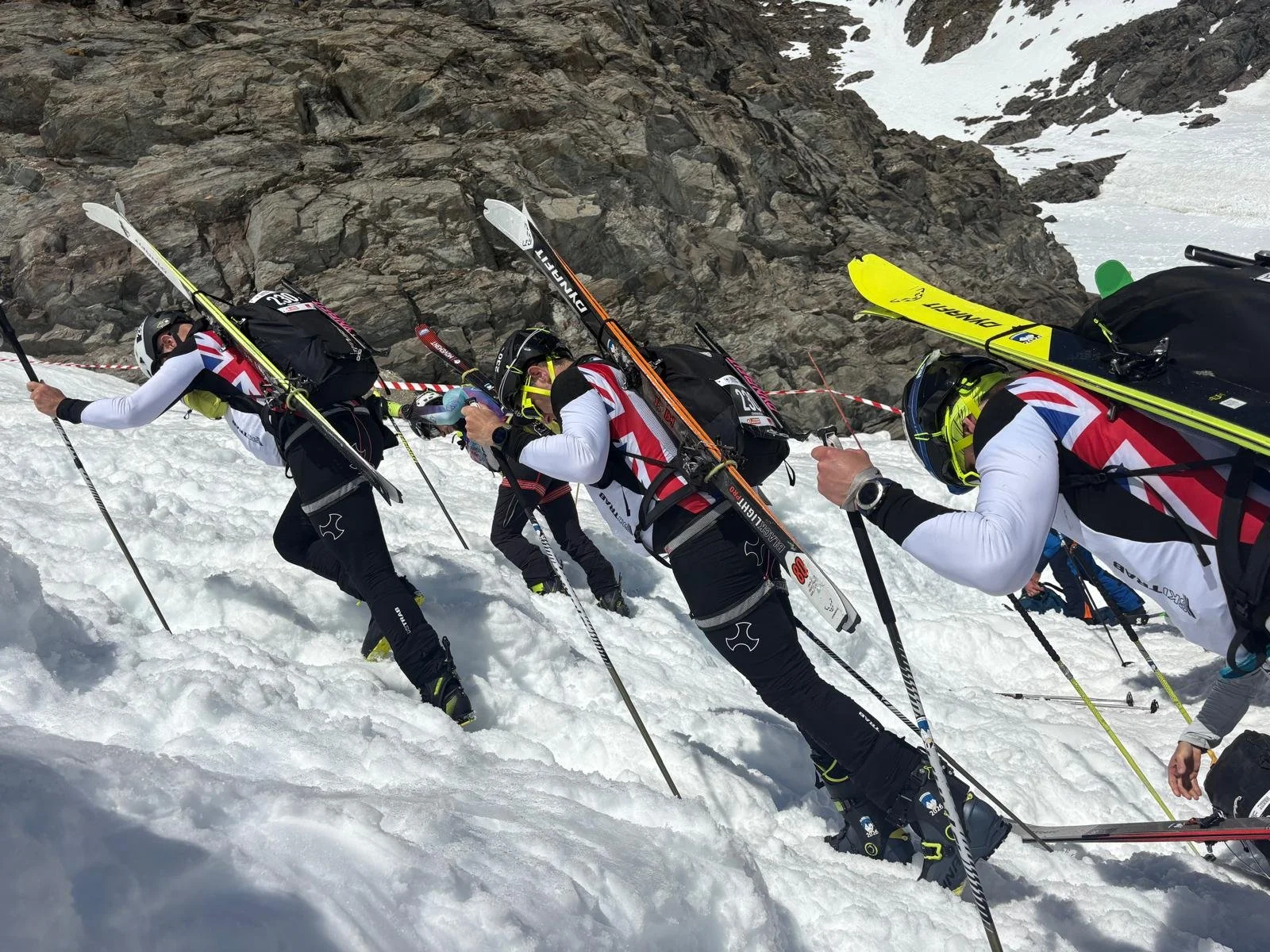
The PDG is not simply about individual fitness or technical ability. It is about teamwork, resilience, and the ability to keep moving forward under pressure.
Crossing the finish line was incredibly rewarding — not simply because we completed the event, but because of everything required to get there.
What the Journey Taught Me
Looking back, the biggest lesson from the journey was how adaptable the body and mind can become when consistently exposed to challenge.
Eighteen months earlier, I had barely skied in decades and had no experience with off-piste skiing, skinning, or ski touring.
By the end of the journey, I had completed one of the world’s toughest ski mountaineering races.
The transformation did not come from talent.
It came from:
Consistency
Persistence
Repetition
Accepting discomfort
Being willing to struggle while learning
The PDG reminded me that meaningful growth rarely happens inside your comfort zone.
Sometimes the most rewarding experiences come from pursuing challenges that initially feel far beyond your current capabilities.
FAQ
How difficult is the Patrouille des Glaciers (PDG)?
The Patrouille des Glaciers is widely considered one of the most demanding ski mountaineering races in the world. The event combines high-altitude climbing, glacier travel, technical descents, endurance, and skiing while roped together, often under fatigue and harsh weather conditions. So pretty difficult!
Do you need ski touring experience for the PDG?
Yes. The PDG requires experience with ski touring, skinning uphill, off-piste skiing, and moving safely in alpine terrain. Athletes also need to be comfortable with ski transitions, glacier travel, and skiing under fatigue.
What is the difference between Skimo and ski touring?
Ski touring is generally focused on travelling through the mountains on skis, often recreationally. Skimo (ski mountaineering racing) is a competitive endurance sport involving uphill skiing, technical descents, transitions, and racing in mountainous terrain.
How long does it take to prepare for the Patrouille des Glaciers?
Preparation time will vary depending on previous skiing and endurance experience. For me, the journey took approximately 18 months, progressing from limited skiing ability and no ski touring experience to completing the PDG.
Is the PDG more physically or technically demanding?
The PDG requires both high endurance fitness and strong technical mountain skills. Aerobic endurance is essential, but technical skiing ability, off-piste confidence, glacier travel skills, and the ability to perform under fatigue are equally important.
Can trail runners transition into ski mountaineering?
Yes. Many endurance athletes and trail runners transition well into ski mountaineering because of the aerobic demands and climbing endurance required. However, technical skiing ability and mountain experience still take significant time to develop.
What technical skills are needed for ski mountaineering?
Some of the key skills required for ski mountaineering include:
Skinning uphill
Kick turns
Off-piste skiing
Ski touring transitions
Glacier travel
Avalanche awareness
Skiing while roped together
Managing technical descents under fatigue
What was the hardest part of preparing for the PDG?
The steep technical learning curve was one of the hardest aspects. Developing confidence with off-piste skiing, ski touring, glacier travel, and skiing under fatigue required consistently operating outside my comfort zone.
Why is the Patrouille des Glaciers considered so iconic?
The PDG has a long military and alpine history and is regarded as one of the premier endurance ski mountaineering events in the world. The combination of altitude, distance, technical terrain, and teamwork makes it a unique challenge within mountain sports.
Do you need to train at altitude for the PDG?
Altitude preparation can be beneficial because large sections of the race take place above 3,000 metres. Acclimatisation camps, mountain exposure, and altitude-specific preparation may help improve performance and recovery during the event.
Interested in Ski Mountaineering or Endurance Training?
As an endurance and strength & conditioning coach, I now help athletes prepare for:
Ski mountaineering
Ultra endurance events
Mountain races
Hybrid endurance challenges
Strength and conditioning for endurance sports
If you are interested in mountain performance, endurance coaching, or preparing for challenging events like the PDG, you can explore more through Ultra Peak Fitness.